Start Here: Youth Soccer for Beginners, A Parent’s Guide
Youth soccer for beginners can feel overwhelming: rec or club, which ball, which rules, how much practice. I'm Coach Armin, a youth soccer coach for about 20 years and a dad of two young players, and this is the page I'd send any new soccer parent to first. Five simple steps, in plain English, with links to everything else on SoccerManiak.
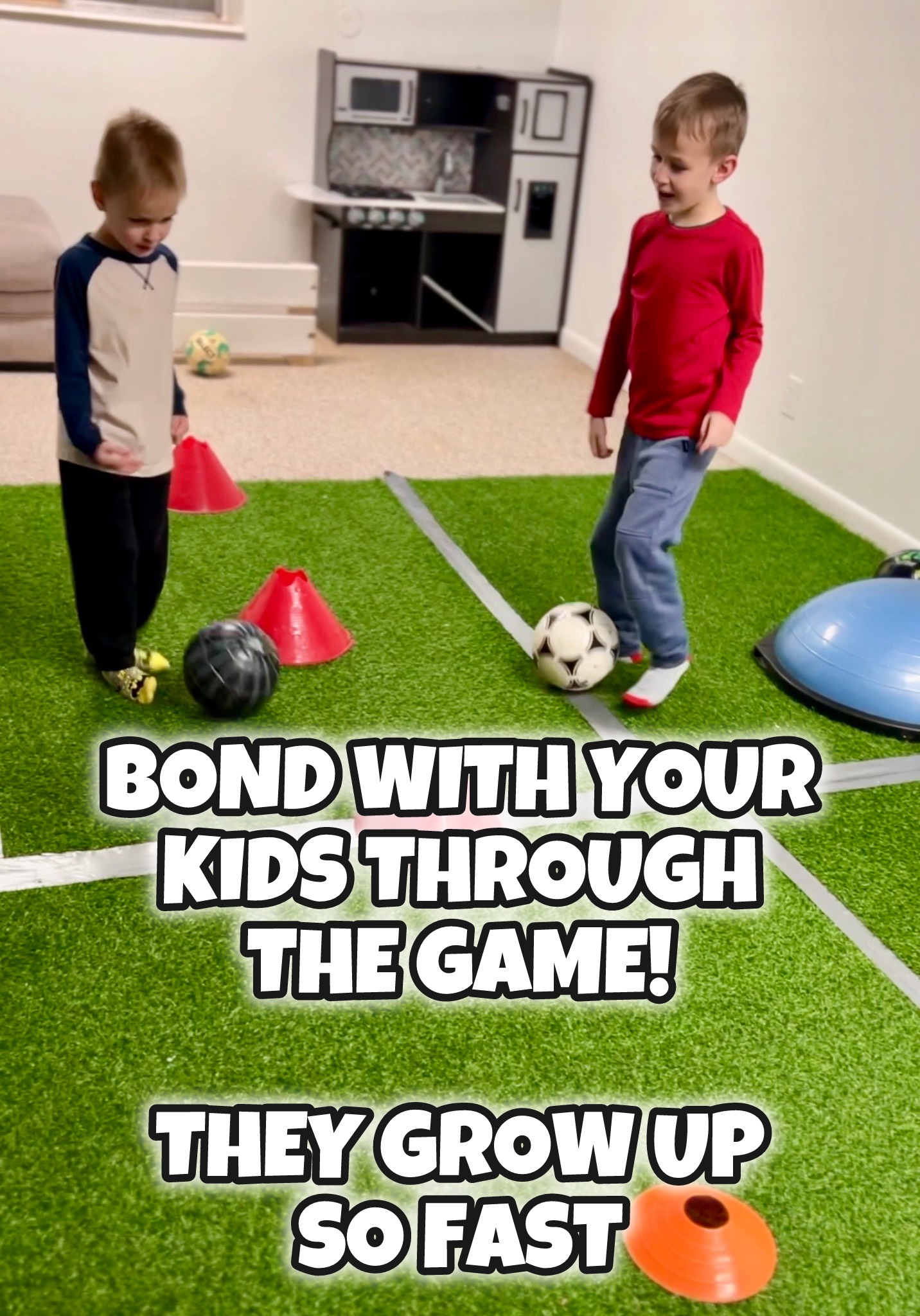
The best first step in youth soccer for beginners doesn't cost anything. Put a ball at your kid's feet and play with them. I've kicked the ball around with my boys since they were babies, and today, at 5 and 7, we train 3-4 times a week, mostly in our basement.
You don't need a big yard or a real field. A ball, a little space and a parent who's having fun too is plenty. Rolling it, stopping it, dribbling around a couch: every touch counts.
The biggest question in youth soccer for beginners is when to join a team. There's no magic age. Follow your kid's interest: when they ask to play on a team, that's the time.
Understand that soccer is a business in the USA. Going professional is a dream for many, but a reality for few. So trust the process and don't hurry into a club team.
It's better for a young kid to play on a team with a good coach who doesn't make winning the priority, who gives every player regular playing time, lets them make mistakes and try different positions, than to put a talented player on a team that's focused on winning and championships.
In most of the US you'll see two kinds of teams:
Recreational (rec) soccer: local, cheaper, usually one practice a week and a game on Saturday. Everyone plays.
Competitive club soccer: tryouts, more practices, travel and higher fees. It can be great for a kid who loves the game and wants more, as long as the coach is the right kind of coach.
Which one, and when? It depends on the kid. Rec soccer with 5-year-olds is honestly funny to watch: snacks, parents everywhere, and a pack of kids chasing one ball :) Starting rec at 7 or 8 is better, because players are starting to get competitive and understand the game, so it actually looks like a soccer game.
And the best version of all? Find other parents with kids and schedule soccer time together as often as you can. Pickup games with friends are where kids learn to love the game.
Coach Armin's tip: When you're choosing a team, watch a practice before you sign up. Are the kids touching the ball a lot, or standing in lines? Is the coach teaching, or just yelling about the score? Pick the coach, not the trophies.
STEP 3
The Right Gear for Their Age
You don't need much. Here's what every young player needs:
Gear
What to know
Soccer ball
The right size for their age: size 3 for U6 to U8, size 4 for U9 to U12, size 5 for U13 and up. A ball that's too big makes everything harder.
Shin guards
Required in every game. Socks go over them.
Soccer cleats
For grass. Make sure they fit with a thumb's width at the toe. Indoor or flat shoes for turf and gyms.
Water bottle
Every practice and every game.
For home
A few cones to dribble around, and a rebounder if you can, so they can pass and receive on their own.
A ball, cones and a rebounder are all good. But more important than any gear is spending time with your kid while they touch the ball around. Being a present parent and playing soccer with your young kids is bonding time, and they want to make you proud.
STEP 4
The Few Rules That Matter for Young Players
Good news: young kids don't play the full adult game. They play smaller games on smaller fields, so every kid touches the ball more. Here's how it works in Utah Youth Soccer, which follows US Soccer's small-sided standards like most leagues in the country:
How many players, which ball and which rules at each age.
No offside for the youngest ages (U6 to U8).
Build-out line at U9 and U10, so kids learn to pass out from the back.
No heading until U13.
Everything else comes back to one idea: get the ball in the other goal without using your hands.
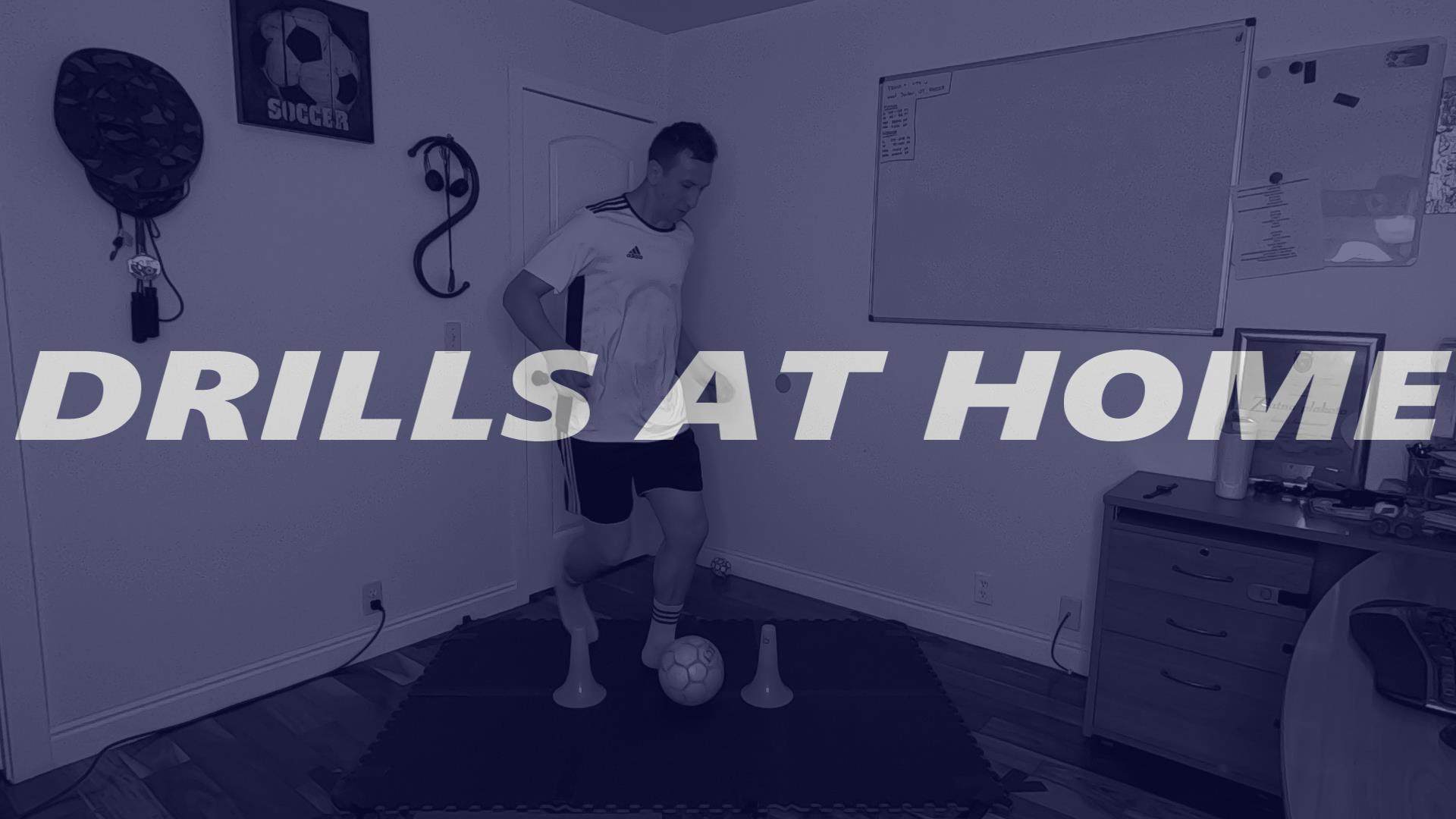
Kids get better with touches on the ball, and most of those touches happen outside of team practice. My recommendation: 20 to 30 minutes, 3 to 4 times a week. My boys and I train 3 to 4 times a week, and it adds up fast. My 8-week program gives you ready-made workouts, and most drills work in a basement, garage or backyard.
A few cones and a ball are all you need to train at home.
That's youth soccer for beginners in a nutshell: a ball at home, the right team and coach, a little gear, a few rules, and lots of fun touches. Start with step 1 this week, and the rest will come.